


Introduction
Opera cake is one of the best examples of the precision, craftsmanship, and depth of flavor that classic French sweets are known for. This elegant dessert is more than simply a sweet treat; it’s a carefully crafted work of art that brings together taste, smell, and texture in a way that makes you feel good. This cake is a mark of luxury in patisserie culture because of its thin layers, shiny finish, and balanced coffee-chocolate flavor. Whether you see it in a bakery window in Paris or at a fancy party, it shows how disciplined and creative French baking is.
This dessert is not like rustic or home-style cakes; it takes time and skill to make. Every part is important, from the almond sponge steeped in coffee syrup to the creamy buttercream and dark chocolate frosting. The end result is not too sweet, but it is really fulfilling, which will please people who like things that are subtle and refined. Knowing where it came from, how it works, and how it affects culture can help explain why it still fascinates dessert lovers of all ages.
The History and Origins of Opera Cake
The tale of opera cake starts in France in the middle of the 20th century, when French pastry experts began changing how desserts looked and tasted. There are several tales about where it came from, but the most frequently recognized story says that the famous Parisian bakery Dalloyau made it popular in the 1950s. The cake was meant to be stylish, up-to-date, and correctly sized, showing how tastes in France changed after the war.
People frequently think of the Paris Opera House when they hear the term. It stands for grandeur, art, and deep intricacy. This dish brings together many different parts to make one whole experience, just like an opera performance does with music, drama, and beauty. The cake’s rectangular shape and clear lines were new at the time; they moved away from cakes that were too fancy and toward a more minimalist yet opulent look.
Opera cake became a standard for professional pastry makers over the years. Because it demands knowledge of numerous basic techniques, it is often used as a teaching tool in culinary schools. Even though food trends have changed, its reputation has stayed the same, which shows that real craftsmanship never goes out of vogue.

What makes opera cake stand out
The exact structure and planned stacking of opera cake are what make it stand out. Every layer is thin, even, and deliberate, so every mouthful is balanced. This meal doesn’t rely on height or too much frosting like cakes do; instead, it focuses on harmony. No one flavor stands out; instead, the cake’s flavors slowly come out as it melts in your mouth.
Its mild sweetness is another thing that makes it unique. The bitterness of coffee and dark chocolate balances out the richness of buttercream and almond sponge. This balance is appealing to people with refined tastes and lets you enjoy the dessert without feeling full. The shiny chocolate glaze on top not only looks good, but it also protects the cake, making it last longer and feel better.
This kind of care makes the cake look great and taste great. It is meant to be cut cleanly so that you can see the precise, even layers that show off the artistry that went into making it. For a lot of people, seeing a flawlessly crafted opera cake is just as much a treat for the eyes as it is for the taste buds.
What the Signature Layers Mean
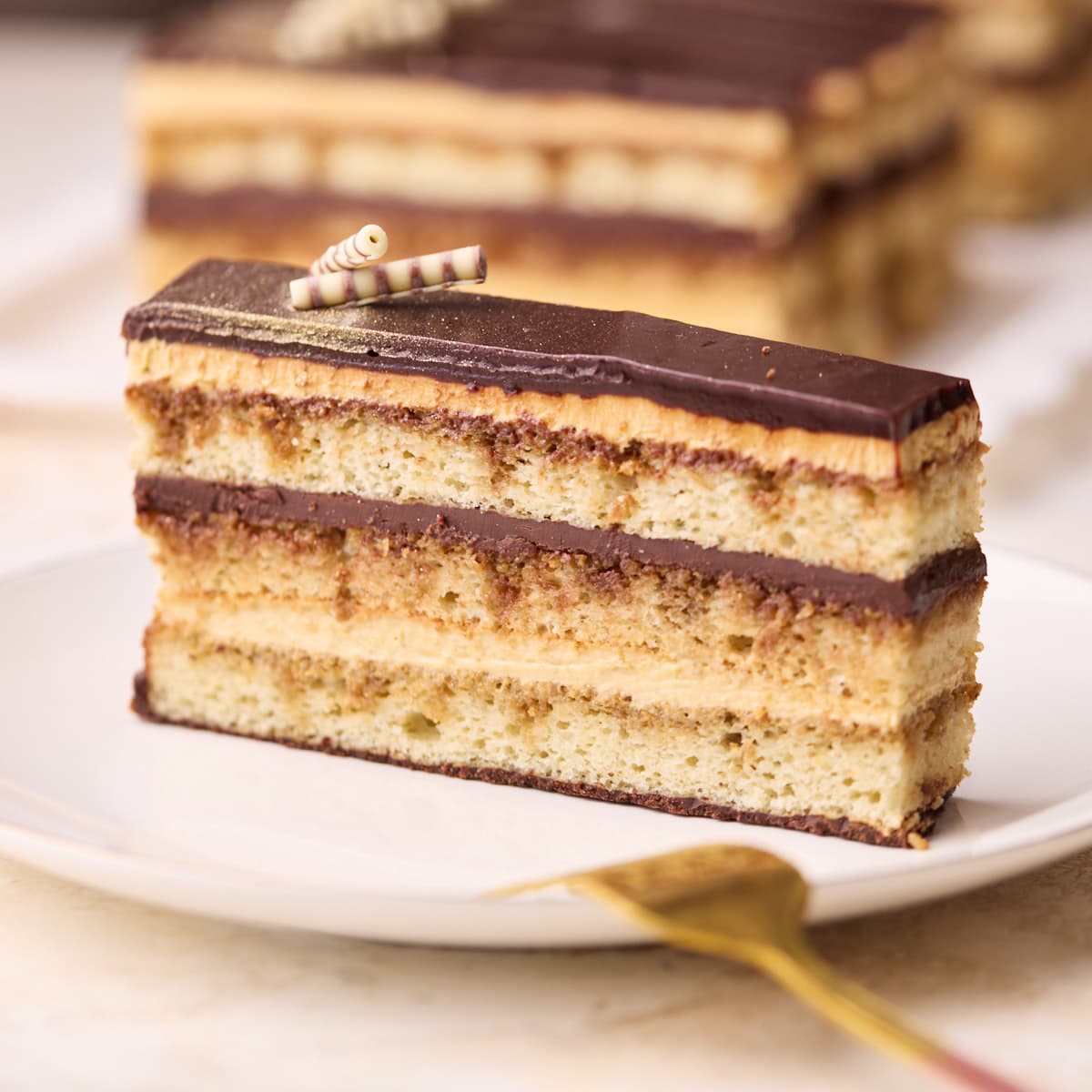
The famous layered structure of opera cake is what makes it so special. Each layer has a purpose that adds to the cake’s taste and texture. Almond sponge, also known as joconde, is usually used to make the base. It is light but strong enough to hold the layers together. A lot of coffee syrup is rubbed on this sponge, which gives it wetness and smell.
Coffee buttercream, which is smooth and silky, sits between the sponge layers. It adds richness without being too sugary. Thin layers of chocolate ganache provide depth and a little bitterness that balances off the richness. The last step is to pour a dark chocolate glaze over the top, which gives it a smooth, mirror-like sheen.
The layers repeat on purpose. Every bite has the right amount of sponge, cream, and chocolate. This constancy is one of the things that makes opera cake so popular with both pros and amateurs. It shows how structure and restraint can turn a dessert into something truly special.
Taste and Flavor Profile
Opera cake has a complex but easy-to-understand flavor profile. The main flavor is coffee, which gives the dessert warmth and a hint of bitterness that holds it together. Chocolate is next, and it adds richness and depth without being too much for the taste buds. The almond sponge adds a hint of nutty sweetness that makes the experience complete.
The way these flavors work together is what makes the cake distinctive. They don’t fight with each other; instead, they help each other, which gives the food a complex taste that changes as you eat. The shiny chocolate frosting is usually the first thing people notice, followed by the creamy buttercream, and then the coffee-infused sponge cake. This evolution keeps the taste buds interested and stops them from getting tired of the same flavor.
Opera cake goes well with espresso, cappuccino, or even tea that is only slightly sweetened since it is balanced. It is a dessert that should be enjoyed deliberately, with an eye for its subtleties rather than rapidly.
Cultural Importance in French Pastry
Opera cake is a symbol of accuracy, discipline, and respect for tradition in French cooking. It is a sign of the best classical dessert making and is typically found in high-end patisseries and fine-dining restaurants. Pastry professionals see learning how to make this cake as a rite of passage.
The cake has had an impact on more than just France; it has inspired different versions and interpretations around the world. Many cooks try with different flavors, such fruit, caramel, or matcha, but the basic form is still the one that all variations are compared to. This long-lasting appeal shows how strong its original design was.
Opera cake is also a good example of the French way of thinking about food, which is to find a balance and moderation. Instead of being overdone, it praises refinement. This makes it a timeless example of how technique and simplicity can make anything last.
:max_bytes(150000):strip_icc()/opera-cake-recipe-1375077-hero-01-8eb02413b81c4d2b978fd7d2a8fb4d7f.jpg)
Modern Changes and Variations
Even though tradition is still strong, current pastry chefs have come up with new ways to make opera cake that keep its essence. Some versions have the layered structure but use various flavors instead of coffee, like hazelnut, citrus, or vanilla. Some people try different kinds of chocolate or lighter creams to fit modern tastes.
These changes show how flexible the cake’s design is. Its layered structure gives it a structure that allows for new ideas while yet looking good. But purists often say that the original coffee-chocolate mix is still the best because of its depth and harmony.
Even with these changes, the original opera cake is still the most popular item on menus and at parties. This shows that new ideas work best when they are based on solid traditions.
Why Opera Cake is Still Popular Today
Opera cake is still popular even though cuisine trends come and go quickly and desserts become viral. One reason is that it looks good, which fits with how people today like simple, clean designs. It looks great in pictures because of its sharp edges and shiny surface. People love to use it for special occasions.
Another reason is that it has a complex flavor profile. As people’s preferences change and they want less sugary treats, the balanced bitterness of coffee and dark chocolate becomes more enticing. The cake is rich but not too rich, so it may be enjoyed casually or at formal settings.
The most significant thing about opera cake is that it tells a story about how it was made. It teaches people the importance of being patient, skilled, and paying attention to detail in a world that moves quickly. This emotional bond makes it much more charming.
How to Serve and Enjoy Opera Cake
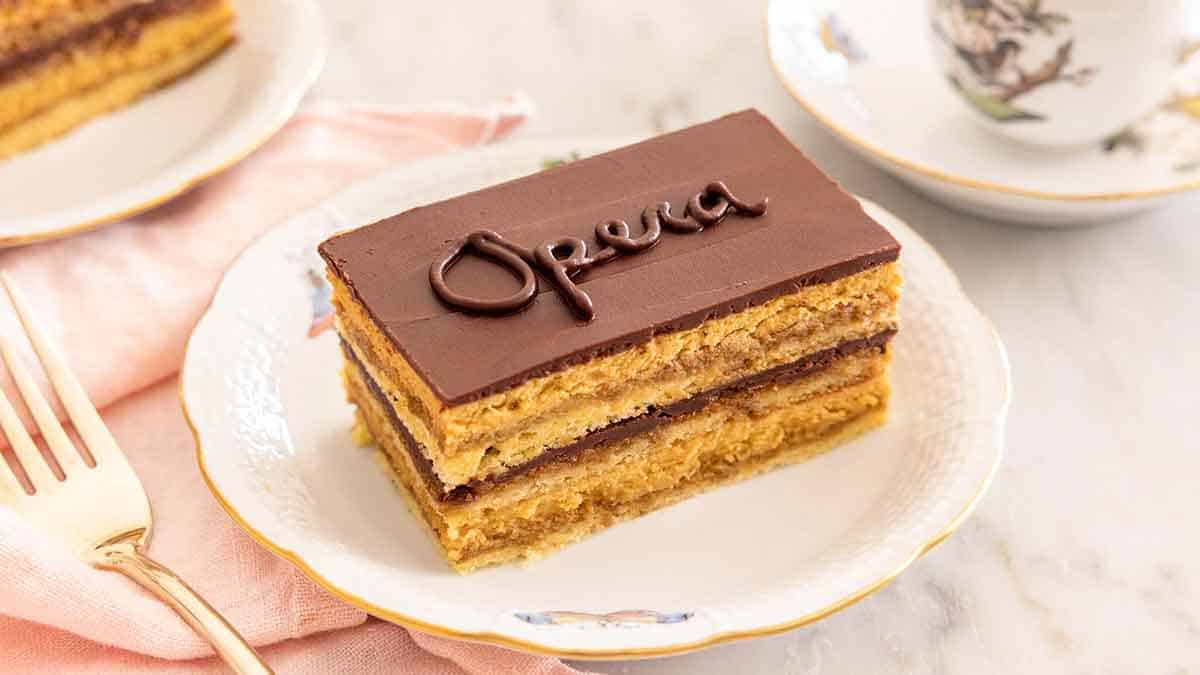
Serving opera cake is a fun thing to do. It is usually sliced into precise rectangular pieces so that each piece shows off the layers that make it famous. This thorough presentation makes people appreciate the dessert more and shows how precise it is.
The cake tastes best when it’s a little cold, which lets the layers firm while still being soft. At this temperature, the difference between the soft buttercream and the hard chocolate glaze is clear. When you drink a warm drink with it, the textures and temps are just right.
Opera cake makes you want to slow down and enjoy each slice, whether it’s at a party or a quiet café. It is more than just a dessert; it is a moment of pure joy.
In conclusion, this is a true icon of dessert making.
Opera cake is one of the most famous pastries in the world. Its layers, balanced flavors, and beautiful presentation are all examples of classic French baking. It stands for a way of life that values harmony, self-control, and creativity, not only as a delectable dish.
The cake has inspired cooks and dessert enthusiasts for a long time, and it still does today. The fact that it has stayed popular for decades shows how well it was designed and how appealing its flavors are to everyone. Opera cake is a great place to start for anyone who wants to know what exquisite sweets are all about.
Read More:- Moscow Mule Cocktail Guide: History, Ingredients, Variations & Tips