


Introduction
For a long time, a warm bowl of chili has been linked to comfort, community, and flavors that are quite fulfilling. This dish has changed into many different shapes in kitchens all across the world, but it is still a hearty, slow-cooked dinner that draws people together. This chili cooking guide goes over the basics of the dish, the theory behind making it, and the little things that turn it from just food into an unforgettable meal. Chili has a special position in cooking history, whether it’s made for family dinners or shared at parties. Anyone who wants to make a reliable and tasty version at home has to know how it is put together and how to keep it balanced.
The History of Chili
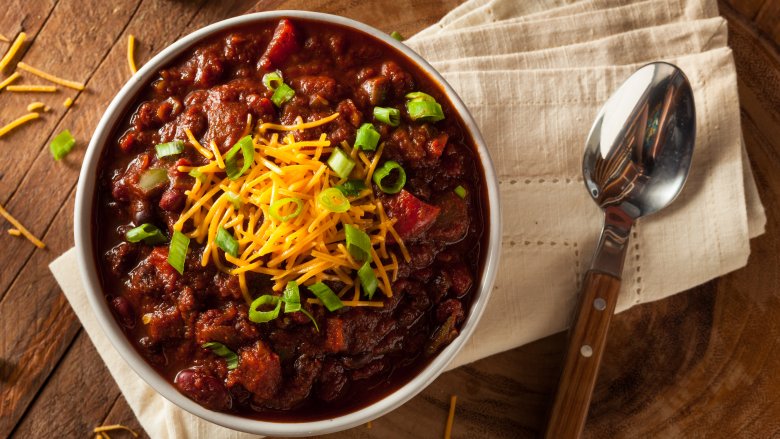
The origins of chile are firmly steeped in cultural interaction and regional inventiveness. Early versions came about in places where dried chilies, beef, and spices were easy to get. Different interpretations developed over time based on the ingredients and cooking methods used in each area. What started as a useful way to mix preserved meats with strong spices turned into a famous meal that has been passed down through the years. The chili recipe we know today is the result of hundreds of years of changes, with each time adding new flavors and ways of making it. This history shows why chili is still both adaptable and very particular to the people who make it.
Getting to Know the Main Ingredients
A careful choice of ingredients is what makes every good chili recipe work. Meat adds depth and richness, while chiles and spices add warmth and complexity. Tomatoes are commonly used to balance out flavors by adding acidity and sweetness. When beans are added, they add texture and substance. Onions and garlic, which are aromatic, provide the base of the flavor that runs through the whole dish. The way these parts work together is what makes a chili feel flat or lively. Choosing the right ingredients carefully makes sure that every dish is the same and has depth.
The Importance of Spices and Seasonings
The spices give chile its unique flavor. Cumin gives the dish an earthy flavor, paprika adds color and a hint of sweetness, and chili powder brings everything together. Salt brings out the flavors of other foods, while modest amounts of sugar or chocolate can make things more interesting. What makes a chili dish great is the right amount of spices. Spices shouldn’t take over the dish; instead, they should enhance the other ingredients and change as they cook. It’s just as crucial to let the flavors mix as it is to pick the appropriate seasonings.
Picking the Right Meat for Chili
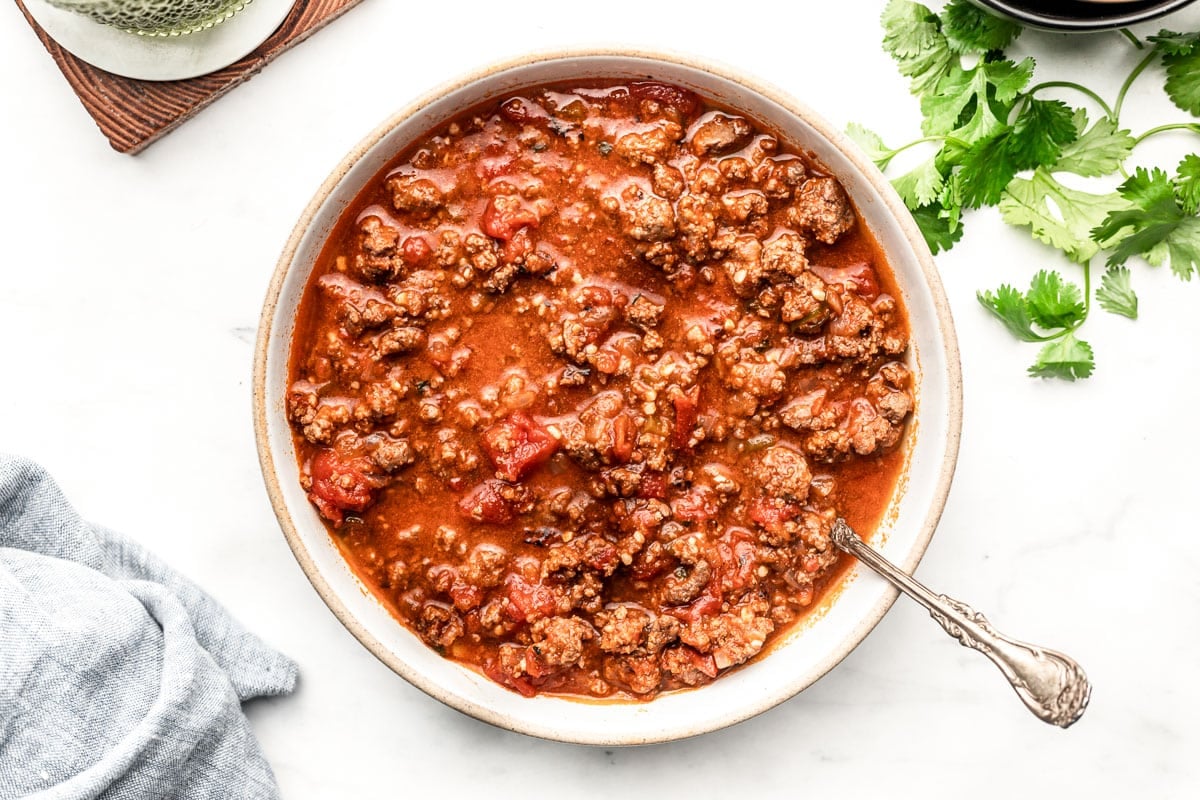
The choice of meat affects the texture and flavor strength. People often utilize ground beef because it has the right amount of fat and tenderness. Chuck or shoulder cuts, on the other hand, give a heartier bite when cooked slowly. Poultry is a lighter option, and plant-based proteins can also be very tasty when seasoned well. Caramelization improves flavor by browning the meat before simmering, no matter what you choose. This stage is the most important part of a good chili recipe, and you should never rush it.
Table One: Common Chili Ingredients and What They Do
| Ingredient | Primary Function | Flavor Contribution |
|---|---|---|
| Meat | Structural base | Richness and depth |
| Chilies | Heat element | Warmth and intensity |
| Tomatoes | Balancing agent | Acidity and sweetness |
| Onions | Flavor foundation | Savory complexity |
| Spices | Flavor enhancement | Aroma and character |
Why Cooking Technique Matters
The way you do things is just as important as the components. Adding layers of flavor in small amounts makes the dish more cohesive. When you sauté aromatics, they release essential oils, and when you brown meat, it keeps the savory overtones. When you simmer, the ingredients mix together and go deeper. To make a good chili, you need to be patient because speeding the process stops the flavors from developing fully. Timing and temperature control make sure that the meal is always the same.
Things to think about When it comes to Texture and Consistency
The texture of chili changes based on what people like and what they do. Some kinds are thick and stew-like, while others are more like soup. To get the right consistency, you need to change the amount of liquid and the time it simmers. You may naturally thicken chili by crushing tomatoes or mixing some of it. The best chili recipe strikes a balance between thickness and spoonability, so that each taste feels filling without being too heavy.
How Flavor Changes Over Time
One thing that makes chili unique is that it gets better with time. As it sits, the flavors mix together more, making the profile richer and more rounded. This is why chili tastes better the next day. Letting the meal cool down and then reheating it slowly makes it more complex. This natural evolution is a sign of a well-planned chili recipe and is a prize for those who plan ahead.
Different Ways to Make Chili in Different Areas
People in different parts of the world see chili in different ways. Some people like to mix pure chili with meat, while others want to add beans and tomatoes. The amounts of spice can also be very different, from mild and smokey to robust and hot. These changes show how chili can change to fit local tastes. Cooks can better appreciate the versatility of a chili recipe while still respecting its roots if they know about these regional differences.
Table Two: Different Types of Chili and Their Most Important Features
| Style | Texture | Flavor Profile |
|---|---|---|
| Traditional | Thick and hearty | Bold and spicy |
| Tomato-based | Medium-bodied | Balanced and tangy |
| Bean-forward | Dense and filling | Mild and savory |
| Smoky | Rich and dark | Deep and earthy |
Finding the Right Balance Between Heat and Flavor

Heat should make things better, not worse. A good chili recipe balances heat and taste. Using more than one type of chili adds depth instead of just heat. Taking off the seeds lowers the heat, and cooking it slowly makes it less sharp. Dairy or acidic foods can also help cool things down when needed. With careful changes, the dish will still be good for a lot of different tastes.
Serving and Display
How something is presented affects how people see it. Serving chili in warmed bowls keeps it hot and makes it smell better. Garnishes can make the dish look and feel different, but the base dish should be able to stand on its own. Simple sides go well with chili because they don’t take away from its flavor. A well-presented chili dish looks and tastes good, making people want to enjoy every bite.
Ways to Store and Reheat
Storing food properly keeps it safe and tasty. Chili that cools down rapidly before being put in the fridge doesn’t go bad. If you store it properly, it will stay good for a few days. Gently reheating keeps the texture and doesn’t separate the fats. Chili is a great meal prep option because it is so useful. A good chili recipe can be reheated without losing its unique flavor.
From a Nutritional Point of View

Chili may be both a treat and a healthy meal. Protein keeps you full, and vegetables provide you vitamins and fiber. Changing the ratios of the ingredients lets you customize your diet. You may make lighter versions of these foods by using lean meats, less sodium, or plant-based proteins without losing taste. A balanced chili recipe lets you change things up to meet different nutritional needs.
Things You Shouldn’t Do
If you add too many spices too soon, rush the cooking time, or forget about balance, the outcome may not be what you want. Chili tastes better when you slowly change the seasonings and let it simmer for a long time. Too much liquid makes the flavor weaker, and not enough fat makes it less rich. Being aware of these mistakes helps you improve your technique and get the same results every time. You need to know these little things to master a chili recipe.
Why Chili Will Always Be a Favorite
Chili is still popular because it can be made in many different ways and it makes people feel good. It keeps you warm in the winter and makes you feel better when you’re among other people. The meal encourages inventiveness while honoring tradition. Every chili recipe is different since each cook adds their own touch. Chili stays popular throughout generations because it strikes a balance between stability and freedom.
Conclusion
A good chili recipe is more than just a meal; it shows patience, balance, and the joy of sharing. Every step, from choosing the ingredients to cooking them, affects the ultimate result. Cooks can make a cuisine that tastes and feels both familiar and new by knowing about history, flavor development, and texture. Chili is a stable staple that always tastes good and fills you up, no matter what the occasion.
Read More:- Baked Ziti Recipe Guide: Classic Italian Comfort in Every Bite