


Introduction
People love the mojito because it has the perfect mix of sweetness, citrus brightness, herbal freshness, and gentle fizz. It’s one of the most famous and delicious drinks ever made. This page goes into great detail on the mojito recipe, including its interesting history, modern versions, cultural impact, how to make it, and how to serve it. The mojito is a cocktail that everyone loves and will always be in style, whether it’s consumed on a nice summer evening or at a fancy party.
The Mojito’s History and Where It Came From
The mojito has been around for hundreds of years and is an important part of Cuban culture. People think that the drink’s first iterations were from the 16th century, when a simple blend of aguardiente, lime, sugar, and mint was utilized for medicine. Sailors liked this blend because it helped them fight off scurvy and stomach problems on long trips. Over time, refined rum took the role of aguardiente, making the drink smoother and more pleasurable.
The mojito became a sign of leisure and sophistication as Havana became a cultural and social center. The drink became popular thanks to famous writers, musicians, and tourists, which helped it become popular around the world. The mojito recipe is more than simply a drink; it tells a tale, shows how to mix drinks, and shows how to keep things in balance.
Learning about the Main Ingredients in a Mojito

The ingredients of a mojito must work well together for it to be good. Each part is very important to getting the drink’s unique taste and smell. Fresh mint leaves give the drink its cold herbal flavor, which is what makes it what it is. Lime juice makes things more acidic and vibrant, and sugar balances out the tartness. White rum is the base, giving the drink a hint of sweetness and warmth. Lastly, soda water makes the drink lighter and more refreshing.
The final result is directly affected by the quality of the ingredients. Fresh mint, luscious limes, and clean, silky rum make the experience much better. A good mojito recipe respects these ingredients and lets each one shine without overwhelming the others.
What Mint Does to Taste and Smell
The mojito’s heart is mint. The drink’s smell and cooling effect are what make it unique. People have used spearmint for a long time because it has a subtle sweetness and delicate menthol undertones. How you manage mint is just as crucial. Gentle muddling lets out essential oils without making the drink taste bitter, keeping the tastes in balance.
If you muddle or tear the leaves too much, the drink will taste grassy, which is not good. A typical mojito recipe focuses on being careful and respectful of the ingredients instead of being rough.
The Importance of Lime Juice in Balance
Fresh lime juice makes the drink taste sour and bright. It cuts through the sweetness of sugar and the warmth of rum to make a crisp and refreshing flavor. Freshly squeezed limes have more brightness and fragrant oils than bottled lime juice. That’s why traditional recipes usually call for fresh fruit.
The lime also makes the drink look better by providing a bright green color to the colorless liquid. A good mojito recipe doesn’t just use lime as an acidic ingredient; it also gives the drink its unique flavor.
How to Pick the Right Rum for a Mojito

Because of its clear and mild taste, white rum is the best choice for a mojito. It goes well with the mint and lime without being too strong. People really like Cuban-style white rums because they are light and silky. The rum should make the drink better, not take over it.
Using rums that are too powerful or too old might change the delicate balance, making the drink heavier and less pleasant. To make a good mojito, you need to be careful about the alcohol you use and how much of it you use.
Controlling Sugar and Sweetness
Sugar is very important since it makes lime less acidic and rum taste sweeter. White granulated sugar is the most common type, however simple syrup is occasionally better because it’s easier to blend. The most important thing is to not go overboard. Too much sugar hides the freshness, and too little makes the drink too sour.
You can change the sweetness of a mojito to suit your taste while still keeping its classic look. A good mojito recipe usually puts balance ahead of too much.
Soda Water and Feel
Soda water makes the mojito bubbly and light, turning it into a drink that quenches your thirst. The bubbles bring out the smells and make each sip feel fresh. The soda water should add to the drink without making the tastes too weak.
The best soda water is one that is high quality and has exquisite carbonation. In a well-made mojito, texture is just as crucial as flavor.
How to Make a Mojito the Old-Fashioned Way
It’s just as crucial to make a mojito as it is to have the right ingredients. At the bottom of a glass, you start by gently muddling mint leaves with sugar and lime juice. This lets out fragrant oils and breaks down the sugar. After that, rum is added, then ice, and finally soda water is added on top.
To mix the components without damaging the mint, you have to be careful when stirring. The end product is a drink that looks good, smells good, and tastes great. A successful mojito recipe is one that you can master.
Table One: The Ingredients That Make Up a Classic Mojito
| Ingredient | Purpose in the Drink | Flavor Contribution |
|---|---|---|
| Fresh Mint | Aromatic base | Cooling herbal freshness |
| Lime Juice | Acidity and balance | Bright citrus tang |
| White Rum | Alcohol base | Light sweetness and warmth |
| Sugar | Sweetener | Smooths acidity |
| Soda Water | Texture and lift | Effervescence and lightness |
Mojito Variations in the Modern Era

People still love the basic mojito, but new versions have made it more versatile. Adding strawberries, mango, pineapple, or berries to the fruit-infused versions gives them fresh flavors. Herbal versions include basil or rosemary to give them a unique flavor.
The base stays the same, even with these new ideas. Any change that keeps the right balance of mint, citrus, sweetness, and fizz can still be called a mojito. A innovative mojito recipe doesn’t replace the old ones; it improves on them.
Mojito Alternatives Without Alcohol
Because the mojito is so refreshing, it’s a great drink to create without alcohol. The drink keeps its flavor when you switch out the rum for soda water or a mild citrus infusion, making it good for people of all ages and for any occasion.
These variants are popular at parties and events where everyone is welcome. A carefully made alcohol-free mojito recipe nevertheless tastes fresh and satisfying without losing any flavor.
Cultural Effects and Worldwide Fame
The mojito has become a worldwide sensation, even though it started in Cuba. You can find it on cocktail lists at pubs, restaurants, and resorts all around the world. People like it since it’s easy to get and appeals to everyone.
The drink stands for elegance, celebration, and leisure. Its status has grown even more because it is in movies, books, and other forms of popular culture. A well-made mojito recipe shows that you care about quality and attention to detail.
Traditions for Serving and Presenting
The way the mojito is served is very important to the experience. Traditionally, tall glasses are used to show off the clear liquid and bright green mint leaves. Adding a mint sprig and a lime wedge to the dish makes it smell and look better.
The kind of ice you choose is also important. Crushed ice cools things down and dilutes them faster, whereas big chunks keep their shape and clarity. A good mojito recipe takes both taste and looks into account.
Table Two: Different Types of Mojitos for Different Events
| Occasion | Mojito Style | Key Characteristics |
|---|---|---|
| Summer Parties | Classic Mojito | Light, crisp, refreshing |
| Formal Events | Elegant Mojito | Balanced sweetness and subtle garnish |
| Casual Gatherings | Fruit Mojito | Playful flavors and colors |
| Family Events | Alcohol-Free Mojito | Refreshing and inclusive |
How to Avoid Common Mistakes
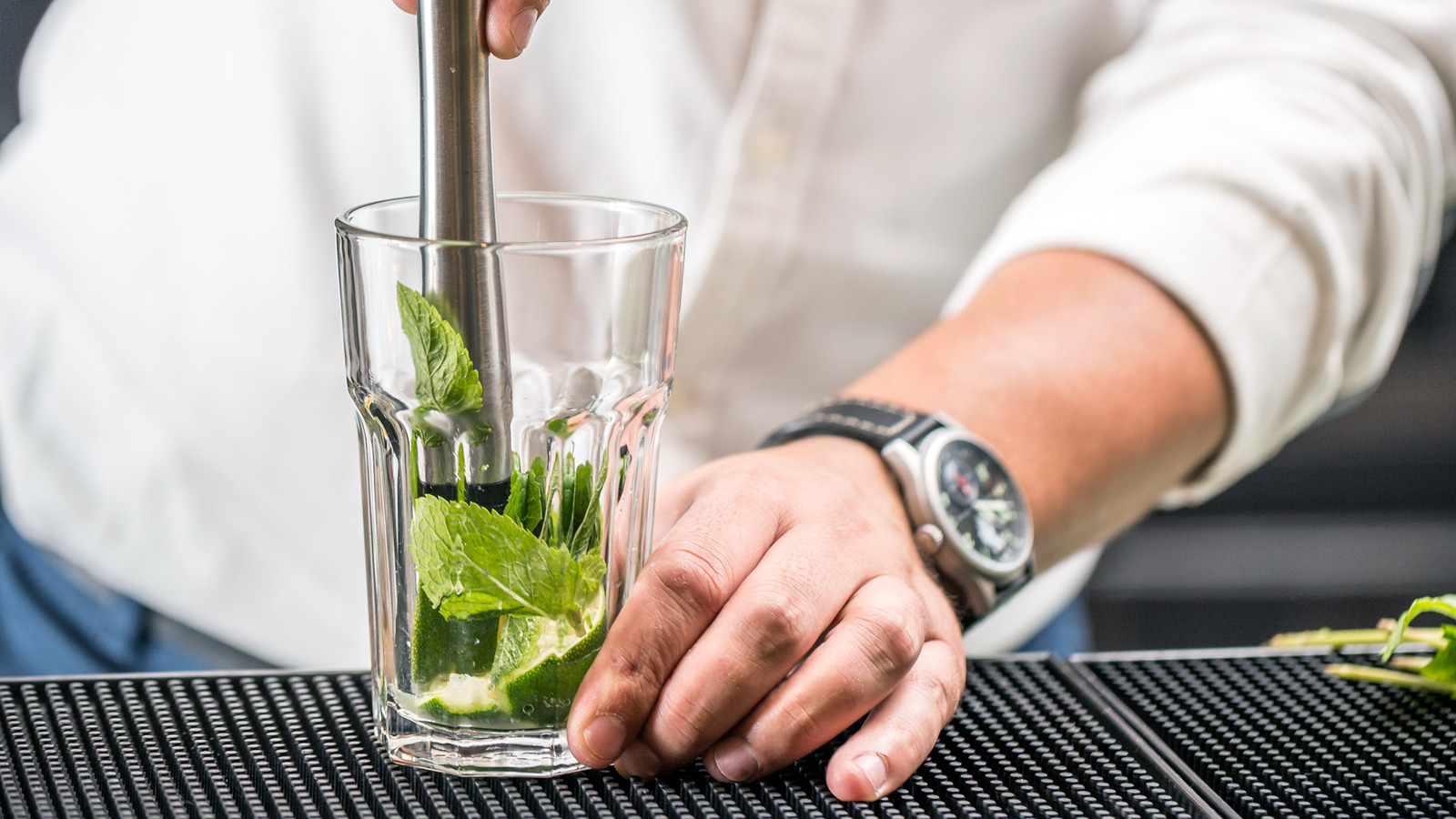
A lot of folks don’t realize that they are ruining the quality of their mojito by not handling the components correctly. Too much muddling of mint makes it harsh, while too much sugar makes the drink too sweet. Using bottled lime juice makes the flavor flat, and too much water makes the balance weaker.
Being aware of these flaws makes it possible to do better. Every step of a good mojito recipe needs to be done with care and accuracy.
From a Health and Refreshment Point of View
The mojito is a treat, but it’s not as heavy as many other cocktails. Fresh ingredients like mint and lime give off natural smells and tastes without adding a lot of extra stuff. When people drink it sensibly, they often think of it as refreshing instead of heavy.
Non-alcoholic variations make it even more appealing, so the mojito is a good choice for events where you want to stay hydrated. A balanced mojito recipe strikes a balance between fun and restraint.
Why the Mojito Will Always Be Popular
Mixology trends come and go, but the mojito is still popular. Its simplicity, versatility, and refreshing taste make it relevant for people of all ages. The cocktail is popular with both new and experienced drinkers.
The balance is what makes it so appealing. A well-thought-out mojito recipe shows that elegance doesn’t have to be complicated.
Conclusion
The mojito is more than just a drink; it’s an experience formed by history, culture, and skill. The drink has stayed faithful to its essential values of freshness and balance, from its humble beginnings to its worldwide popularity.
Anyone may enjoy the richness of this famous drink if they know about the ingredients, how to make it, and how to serve it. Every sip of a well-made mojito recipe is refreshing, classy, and enjoyable for all time.
Read More:- Classic Brownie Recipe Guide for Rich, Fudgy Homemade Desserts