


Introduction
People all around the world adore fried rice because it’s easy to make, can be changed to suit your tastes, and tastes so good. What started as a useful way to use up leftover rice has become a worldwide culinary trend that people of all ages, nationalities, and cuisines appreciate. A perfectly cooked fried rice recipe has a texture, smell, and spice that are all in balance, making it seem easy and elegant at the same time. This article looks at where fried rice came from, its philosophy, its ingredients, its cooking methods, and the numerous ways people make it that keep it a favorite in homes and restaurants.
Where Fried Rice Comes From Culturally
Fried rice has been around for more than a thousand years and came from China, where being resourceful changed cooking traditions. Rice was, and still is, a main diet, and it was unimaginable to throw away cooked grains. Cooks found out that they could make a dish that was both useful and tasty by putting cold, leftover rice in a hot wok with oil, aromatics, and seasoning. This simple dish became more important and had different meanings in different parts of the world over time.
As commerce and migration brought Chinese people to different parts of Asia, fried rice changed to fit the tastes and ingredients of each place. It got richer and spicier in Southeast Asia, whereas in Japan it got lighter and cleaner. Every culture used the basic technique but added their own twist to it, showing that a simple recipe for fried rice can convey a story of history, movement, and identity.
Why Fried Rice Is Loved All Over the World

Fried rice is famous all around the world because it can be made in so many ways. It can be made with meat or vegetables, be mild or strong, and be basic or fancy. You can eat it by itself or with other foods. With a fried rice dish, home cooks may use what they have on hand to make something colorful and filling out of leftovers.
Another thing that makes it appealing is how fast it works. Fried rice is meant to be cooked rapidly over high heat, which makes it great for families with a lot going on. When made right, it gives a lot of flavor in a short amount of time. Because it works so well, it is a common ingredient in street food booths, restaurants, and homes all over the world.
Learning the Basic Parts of Fried Rice
Fried rice is based on a modest number of key ingredients. The rice is the base, and the texture of the rice is what makes the dish taste good. Day-old rice is better since it is drier and less likely to stick together. Oil makes food taste better and helps heat spread evenly. Garlic, ginger, and onions are examples of aromatics that give depth, while sauces offer saltiness and umami.
Adding protein and vegetables gives the meal more body and balance. Eggs, meat, seafood, or tofu add depth and structure, while veggies add freshness and contrast. No matter what culture the fried rice recipe comes from, the success of the recipe depends on how well these things work together.
How to Pick the Right Rice
Not all types of rice are good for frying. People usually like medium- to long-grain types better since they stay separate and fluffy when cooked. Short-grain rice is tasty in other foods, although it might be stickier and make things mushy.
Cooking rice the right way is also very important. It will be easier to fry rice that is a little undercooked at first. Letting it cool all the way down before cooking helps get rid of extra moisture. This focus on preparation turns a basic fried rice recipe into a dish with a texture that is as good as what you would find in a restaurant.
Oils, Scents, and Flavor Bases
Oil is more than simply a way to cook fried rice; it also adds taste. Most of the time, neutral oils with high smoke points are used, although some recipes call for aromatic oils to give more flavor. The oil coats each grain of rice, which keeps them from sticking together and makes them taste better.
Adding aromatics to the oil early in the cooking process gives it a nice smell. Common selections are garlic, onions, shallots, and ginger. These ingredients make the basic flavor for the whole dish. Even the best-balanced fried rice recipe can taste flat without them.
What Eggs Do with Fried Rice
:max_bytes(150000):strip_icc()/ALR-23298-egg-fried-rice-VAT-4x3-2closeup-ab653366830b41cc8d62627939ccc6c7.jpg)
Many kinds of fried rice have eggs as a key element. They offer protein, color, and richness, and they also help give the meal its unique texture. You may scramble the eggs separately and fold them in, or you can cook them right in the pan with the rice.
When added properly, eggs coat the rice grains and add a hint of creaminess without dominating the other tastes. A well-made fried rice recipe will commonly use this method, which is common in both homes and restaurants.
Proteins and Vegetables: Balance and Variety
Vegetables add variety to both taste and texture. Carrots make things sweeter, peas make things fresher, and onions make things deeper. Cutting the vegetables into equal pieces is the key to making sure they cook properly and mix well with the rice.
Proteins make fried rice a full supper. Chicken, shrimp, pork, and beef are all popular choices, and each one has its own unique flavor. Tofu and mushrooms are two examples of plant-based proteins that work just as well. A good fried rice recipe has the right amount of protein and veggies so that neither one overpowers the meal.
Spices and Sauces
Fried rice really comes to life when you add spices. Salt is important, however it is generally added through sauces instead of directly. Soy-based sauces are often used to enhance saltiness and umami, while other spices make the flavor more interesting.
When you season food is important. If you add sauces too soon, the rice will get soggy; if you add them too late, they won’t spread out evenly. Getting the timing right is really important for making a fried rice recipe that tastes good but isn’t too heavy.
How to Cook and Control the Heat
:max_bytes(150000):strip_icc()/20230529-SEA-EggFriedRice-Amanda-Suarez-Step2-15bed438ec904e55ba62edf5aac25a7d.jpg)
Traditionally, fried rice is cooked over high heat to give it a slightly smokey smell and a crunchy texture. Before you add the ingredients, the pan or wok needs to be hot so that the moisture can quickly evaporate. Putting too many things in the pan makes it cooler and ruins the end outcome.
Stirring should be done on purpose, not all the time. Letting the rice stay for a short time on the heated surface makes it slightly brown and brings out the taste. This method sets an average fried rice recipe apart from an amazing one.
How to Avoid Common Mistakes
Using rice that has just been cooked is one of the most common blunders. Too much moisture makes food stick together and steam instead than fry. Another mistake is putting too many ingredients in at once, which makes the skillet overly full and cools down the heat.
There is also a chance of over-seasoning. Fried rice should taste good but not overpowering, so that each item may shine. To make a good fried rice dish, you need to be both creative and careful.
Different Parts of the World
Fried rice is a dish that shows the tastes and customs of each Asian country. In China, it often stresses balance and simplicity. In Thailand, it has strong flavors and herbs that smell good. It is darker and richer in Indonesia because it uses stronger spices.
Fried rice has changed a lot since it first came to Asia. In the Americas, it is regularly changed to fit local tastes and ingredients. These changes show that the fried rice recipe may be changed to fit different cultures.
Things to think about for Health and Nutrition
People generally think of fried rice as a treat, but it can be part of a healthy diet if you make it the right way. Using a little oil, adding veggies, and choosing lean proteins all make the food healthier.
Adding whole-grain rice can offer fiber, and cutting down on sodium in sauces can help you control how much salt you eat. A mindful fried rice recipe is both comforting and healthy.
Table of Ingredients
| Ingredient Category | Purpose in Fried Rice |
|---|---|
| Rice | Provides structure and texture |
| Oil | Enables frying and flavor distribution |
| Aromatics | Build foundational aroma |
| Eggs | Add richness and protein |
| Vegetables | Offer freshness and contrast |
| Protein | Create satiety and balance |
| Sauces | Deliver seasoning and umami |
Table of Cooking Steps
| Cooking Stage | Description |
|---|---|
| Preparation | Rice is cooled and ingredients are chopped |
| Heating | Pan is preheated to high temperature |
| Aromatics | Oil is infused with garlic or onion |
| Protein | Meat or eggs are cooked quickly |
| Rice | Rice is added and fried until separated |
| Seasoning | Sauces are added and mixed evenly |
| Finishing | Final adjustments and garnishing |
How to Serve and Present
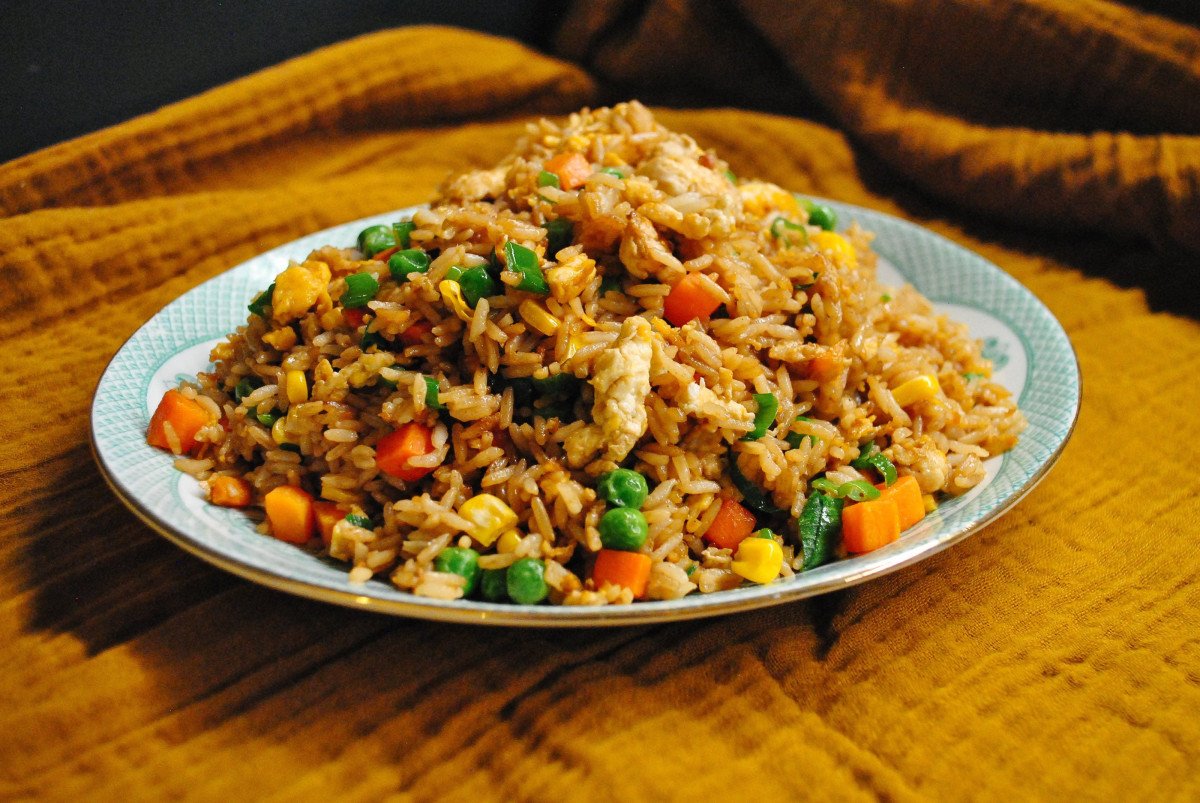
The greatest time to eat fried rice is right away, when it’s hot and smells great. Simple garnishes make the dish look better and taste fresher without taking over. The way the food is presented should show that it is plenty and warm, which is what comfort food is all about.
When you serve fried rice family-style, it makes people want to talk and share. A well-thought-out recipe for fried rice makes more than just a meal; it makes a shared experience.
The Everlasting Appeal of Fried Rice
Fried rice is still popular since it is both simple and deep. It encourages improvisation and rewards skill. Fried rice has come a long way from its humble origins to become famous all around the world.
A good fried rice dish shows that you care about, understand, and respect the ingredients, whether you make it in a restaurant or at home. People of all ages, cultures, and tastes can enjoy this dish because they all adore good cuisine.
Conclusion
To master fried rice, you don’t need to follow precise guidelines; you just need to learn the basics. It’s more important to get the texture, heat, timing, and balance right than to have the measurements exactly right. Anyone can make a delicious and memorable fried rice recipe that feels both personal and ageless with experience and care.
This dish shows that you don’t need to be complicated to cook well; you just need to want to. Fried rice is still a sign of culinary creativity since it turns basic materials into something really unique.
Read More:- Yorkshire Pudding Recipe, History, Traditions and Cooking Tips