


Introduction
The yorkshire pudding recipe is one of the most famous parts of traditional British food. It is recognized for its dramatic rise, crisp edges, and soft, airy middle. This meal may look easy, but it has inspired cooks for generations to improve their skills and learn about the science behind its peculiar texture. Yorkshire pudding is still a symbol of warmth, tradition, and culinary skill, whether it’s served with Sunday roasts or holiday dinners. This essay looks at the whole history of this meal, from where it came from and why it is important in different cultures to the exact steps that will always give you the same results in a modern kitchen.
The History of Yorkshire Pudding
:max_bytes(150000):strip_icc()/GettyImages-175816655-5c578b96c9e77c000102c6c4.jpg)
In the 18th century, people in northern England made Yorkshire pudding as a cheap side dish for roasted meat. Early cooks put a simple batter under the meat that was roasting so that it could soak up the fat that was dropping off of it. This made the flavor stronger and used up more ingredients. This simple start gave the dish its reputation as both cheap and fancy. The process altered over time, but the basic idea stayed the same: a hot pan, heated fat, and a batter that was well-balanced. Knowing this background helps modern cooks understand why timing and heat are so important for making a good yorkshire pudding.
Why Yorkshire Pudding Works in Science
The huge growth in popularity of Yorkshire pudding is not a coincidence; it has to do with fundamental food science. Instead than using chemicals to make the batter rise, it uses steam and protein structure. When the batter touches the heated fat, the moisture quickly converts into steam, which pushes the batter up. Eggs give things shape, flour gives starch rigidity, and milk makes things richer and helps them brown. To make this reaction happen, the yorkshire pudding recipe needs exact ratios and temperatures. This shows that sometimes simple things need discipline and accuracy.
Picking the Right Ingredients
The texture and flavor of a dish depend a lot on its ingredients. To make sure the batter is smooth, the flour must be plain and finely ground. Eggs should be fresh and at room temperature so that they mix together well. Milk provides flavor and moisture, and the amount of fat in it changes how brown it gets. The fat used in the pan, which is usually beef dripping, is very important for getting the edges to be crisp. A careful choice of ingredients makes sure that the yorkshire pudding recipe works no matter what kind of kitchen or oven you have.
Table of Ingredients
| Ingredient | Purpose | Impact on Final Texture |
|---|---|---|
| Plain flour | Structure | Supports rise and crisp shell |
| Eggs | Binding and lift | Creates stability and height |
| Milk | Moisture and flavor | Soft interior and browning |
| Fat or dripping | Cooking medium | Crisp edges and flavor depth |
Making the Batter Right
:max_bytes(150000):strip_icc()/__opt__aboutcom__coeus__resources__content_migration__serious_eats__seriouseats.com__images__2015__12__20151218-yorkshire-pudding-second-set-kenji-2-63ffb0fd0b5f46abacd6031d8168a29b.jpg)
Many cooks accidentally mess up their outcomes as they prepare the batter. To keep lumps from forming, you should sift the flour. You should also add the eggs and milk slowly. Overmixing can make gluten too strong, which makes the dough tough, while undermixing makes the dough uneven. Letting the batter rest gives the starch granules time to fully hydrate, which makes it more elastic and helps it rise. One of the most important but sometimes neglected tips for making a consistent Yorkshire pudding is to let the batter rest.
Why It’s Important to Let the Batter Rest
Letting the batter sit for at least thirty minutes makes it work better and feel better. During this time, the flour absorbs liquid more uniformly, and the air bubbles stay in place. Letting the batter sit also helps it get to room temperature, which makes it less likely to shock when it strikes the hot pan. This phase brings together old-fashioned cooking with modern science, which is another reason why patience is important in any real Yorkshire pudding recipe.
Controlling the Temperature and Heat in the Oven
The heat is what makes Yorkshire pudding rise the way it does. The oven needs to be completely preheated, usually to a temperature higher than what most baked foods need. Before you add the batter, the pan and oil should be very hot. If the oven temperature drops, the steam production slows down, and the pudding can fall apart. Anyone who wants to learn how to make Yorkshire pudding must keep the heat steady and high.
Choosing the Rght Fat and Getting the Pan Ready
The type of fat utilized affects the taste and texture. Beef dripping adds classic richness, while vegetable oils are neutral and have greater smoke points. You need to heat the pan with fat until it shimmers. This makes sure that the batter sears right away, which keeps its shape. If you skip this stage, your results will typically be flat and heavy. You have to prepare the pan for the Yorkshire pudding recipe; it’s not optional.
How to Bake
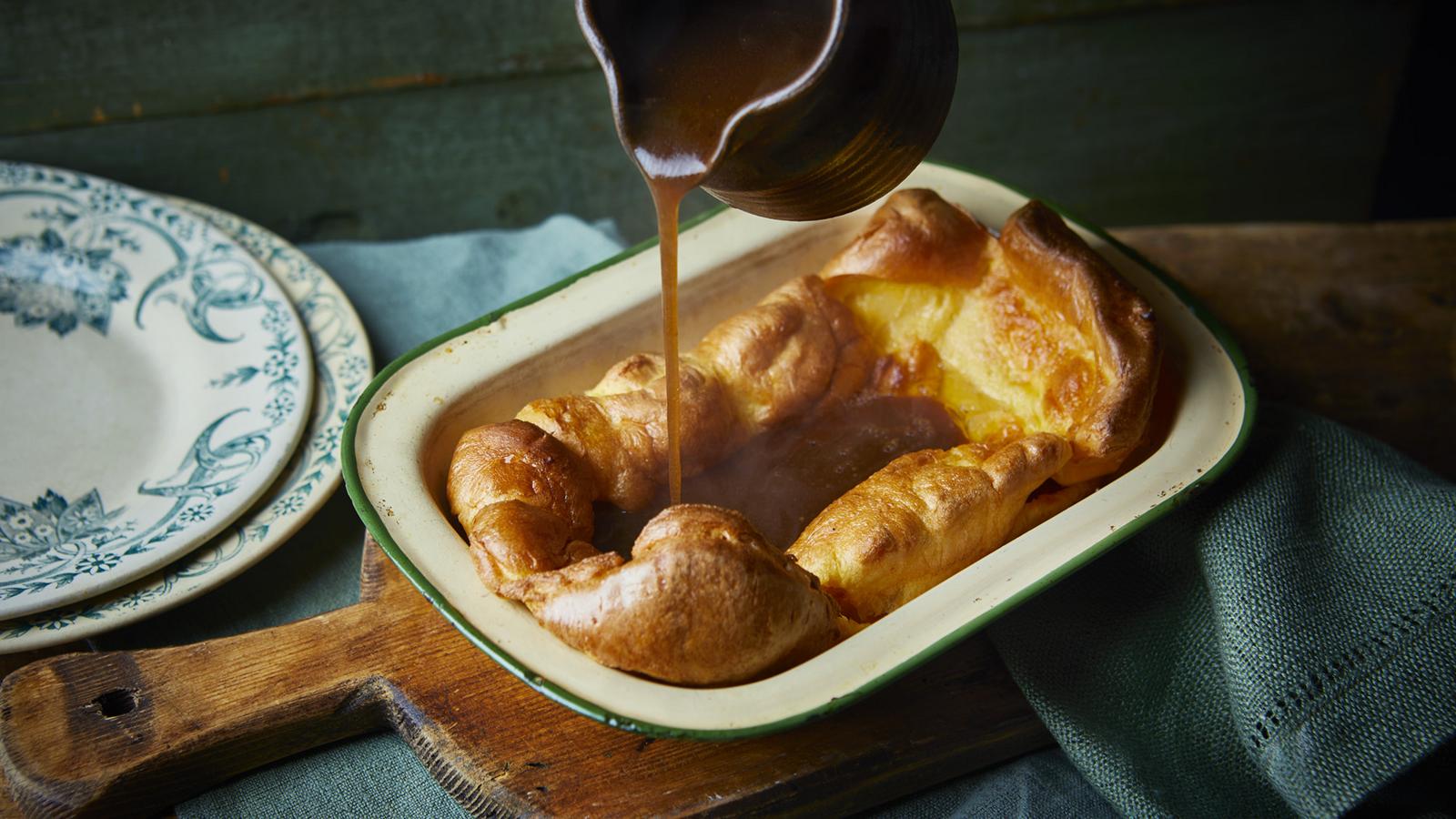
The oven door should stay closed after the batter is placed into the heated pan. When you open the door, heat escapes and steam can’t form. When the batter is baking, it quickly expands, making the sides tall and the middle hollow. The construction settles and turns brown as the liquid evaporates. This change happens swiftly, which shows how important time and awareness are. The recipe for Yorkshire pudding rewards people who pay attention but punishes people who don’t.
Time to Bake and Visual Cues
Different ovens have different baking times, but visual clues are more reliable than timers. A completely baked Yorkshire pudding has a rich golden brown color, crisp edges, and a sturdy structure. A pale tint often means that the food wasn’t baked long enough, whereas a dark color may mean that it was baked too long. You can be sure that any yorkshire pudding recipe will work every time if you trust what you see.
How to Serve Yorkshire Pudding the Right Way
Yorkshire pudding is usually served with roast meat, gravy, and vegetables. The hollow middle holds sauce, which makes the whole dish better. In certain places, it was served as an appetizer with gravy to fill people up before the main course. This tradition shows that the dish comes from cooking that makes the most of what you have. Serving style is still an important part of what makes the yorkshire pudding recipe unique.
Changes and Adaptations in Modern Times
Tradition is important, yet modern cooks like to try with different fillings, forms, and ways to serve food. There are now mini puddings, stuffed variations, and even sweet varieties. Even with these new ideas, the basic method stays the same. Any change must follow the rules of heat, fat, and batter balance set by the classic yorkshire pudding recipe.
How to Avoid Common Mistakes
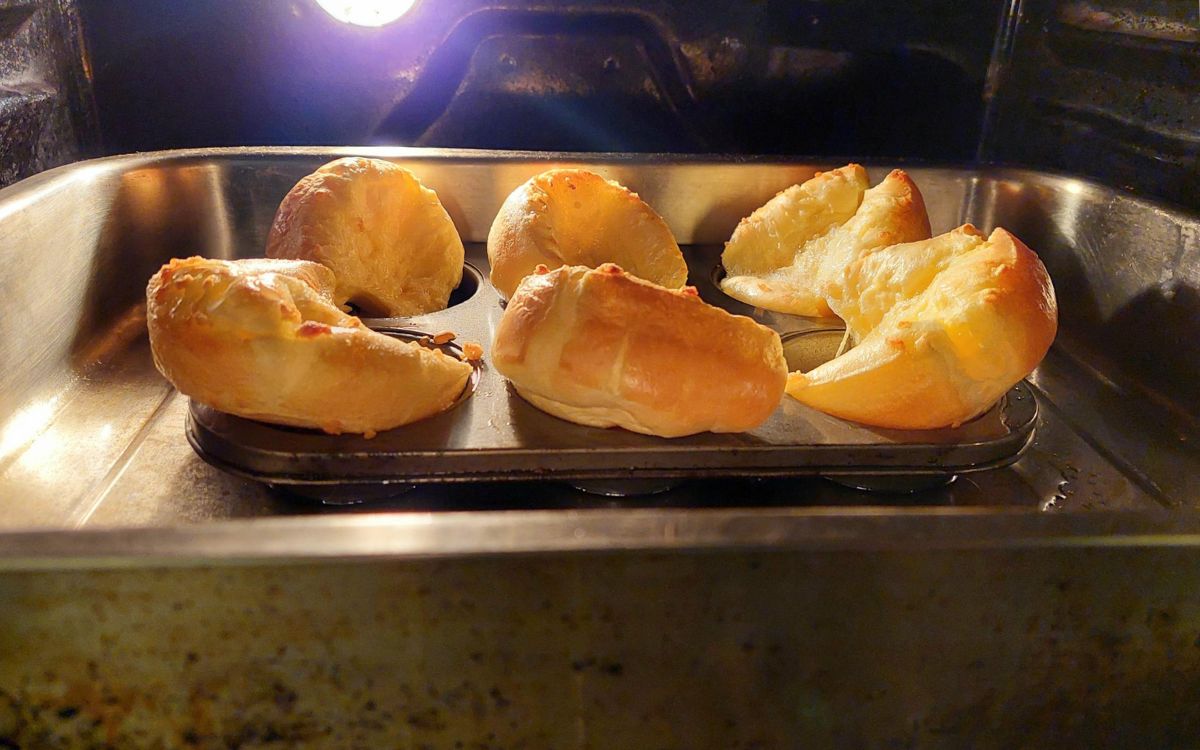
A few of mistakes always hurt the results. If the batter is too cold, the oven isn’t hot enough, or the fat isn’t hot enough, the rise will be bad. Too many things in the pan block ventilation, and opening the oven door too soon makes the food fall. Knowing about these problems gives cooks the confidence to improve their skills and trust the recipe for yorkshire pudding.
Fixing Problems with Texture
Thick batter or low heat can make puddings thick, whereas greasy puddings mean that the oven wasn’t hot enough to dry up the moisture. The rise may not be even because of where the pan is placed or how the fat is spread out. There is a clear reason and remedy for each problem, which shows that following a yorkshire pudding recipe correctly is more important than guessing.
From a Nutritional Point of View
People don’t usually think of Yorkshire pudding as a healthy food, but you may eat it in moderation as part of a balanced meal. It has protein, carbs, and lipids in it without any other components. The amount of the portion and the setting in which it is served are more important than the food itself. Modern cooks can enjoy the yorkshire pudding recipe without feeling bad about it if they know about nutrition.
Table of Nutritional Value
| Component | Approximate Contribution | Role in Diet |
|---|---|---|
| Protein | Moderate | Supports satiety |
| Carbohydrates | Moderate | Provides energy |
| Fat | Variable | Enhances flavor |
| Calories | Moderate | Depends on fat used |
Cultural Importance Today
Yorkshire pudding is still a big part of British cooking culture. It stands for family get-togethers, weekend roasts, and customs that everyone shares. The fact that it is still popular shows that simple food can last beyond trends. The fact that the Yorkshire pudding recipe can bring people of all ages together at the same table is what makes it so popular.
Learning to be Consistent Over Time
Repetition and paying attention to the small things help you become more consistent. Keeping track of the temperature of the oven, the type of pan, and the resting time might assist improve the outcomes. You have to adjust to each kitchen because they all work differently. The recipe for Yorkshire pudding becomes second nature with time, going from written instructions to a skill that you can do.
Conclusion
The recipe for Yorkshire pudding is more than just a dish; it reflects the history of cooking, scientific accuracy, and emotional comfort. To become a master, you need to respect tradition, know how to do things, and be willing to practice. When done right, the outcome is a light, golden pudding that makes any meal better and pays homage to British cookery that has been around for hundreds of years.
Read More:- Perfect Banana Bread Recipe for Every Occasion