


Introduction
Lamb stew and dumplings is one of those meals that makes you feel at home right away. This dinner has been a mainstay in many homes for generations since it tastes great, is delicate when cooked slowly, and has a pleasant texture. Lamb stew and dumplings is the perfect example of hearty home cooking. You can eat it on a cold winter night or as a family recipe that has been passed down through the years. The mix of tender lamb pieces cooked in a flavorful broth and topped with soft, fluffy dumplings makes it both filling and very enjoyable.
This cuisine is really about being patient and taking care of things. Lamb stew with dumplings need to be cooked slowly so that the flavors may fully emerge, unlike quick dishes that are made for convenience. The lamb gets soft enough to melt in your tongue, while the veggies soak up the broth’s flavor, making a dish that is both rustic and elegant.
The History and Origins of Lamb Stew and Dumplings
Lamb stew and dumplings have their roots in rural areas where people made healthy meals out of simple foods. People who lived in rural areas often grew sheep, which made it a good source of protein that was easy to get. Stews were a useful technique to cook harder portions of meat because they used steady heat and moisture to make the meat soft while bringing out the best flavor.
Adding dumplings made the dish more filling and less expensive. Dumplings were made from simple pantry basics like wheat, butter, and liquid. They helped the meal last longer and were a pleasant contrast to the thick stew underneath. Over time, lamb stew with dumplings were linked to family get-togethers, cooking for the seasons, and traditional home kitchens. This was especially true in colder places where robust meals were needed.

Why Lamb Is the Best Meat for Stewing
Because of its natural richness and depth of taste, lamb is a great choice for stews. Cuts from the shoulder, neck, or leg have connective tissue that breaks down when they are cooked slowly. This makes the meat soft and the soup thick and tasty. When cooked right, lamb has a slightly earthy, savory flavor that goes well with root vegetables and herbs.
In lamb stew and dumplings, the meat is the main part of the dish. As it cooks, the flavor spreads through the liquid, making a base that is both strong and comforting. Lamb stays moist and tender when cooked slowly, unlike lean meats that can dry out. This is why it is a popular choice for this form of cooking.
What Vegetables Do in the Stew
In lamb stew and dumplings, vegetables are quite important. Onions, carrots, and potatoes are common selections because they add sweetness, texture, and solidity. These vegetables take in the aromas of the lamb and broth and let out their own natural sugars, which makes the dish taste better overall.
Root vegetables are quite popular since they stay in shape when they are cooked for a long time. The vegetables get softer but don’t turn to mush as the stew cooks, which balances off the richness of the lamb. The balance of meat, vegetables, and broth is what makes lamb stew and dumplings so tasty and deep.
What Dumplings Are and How They Feel
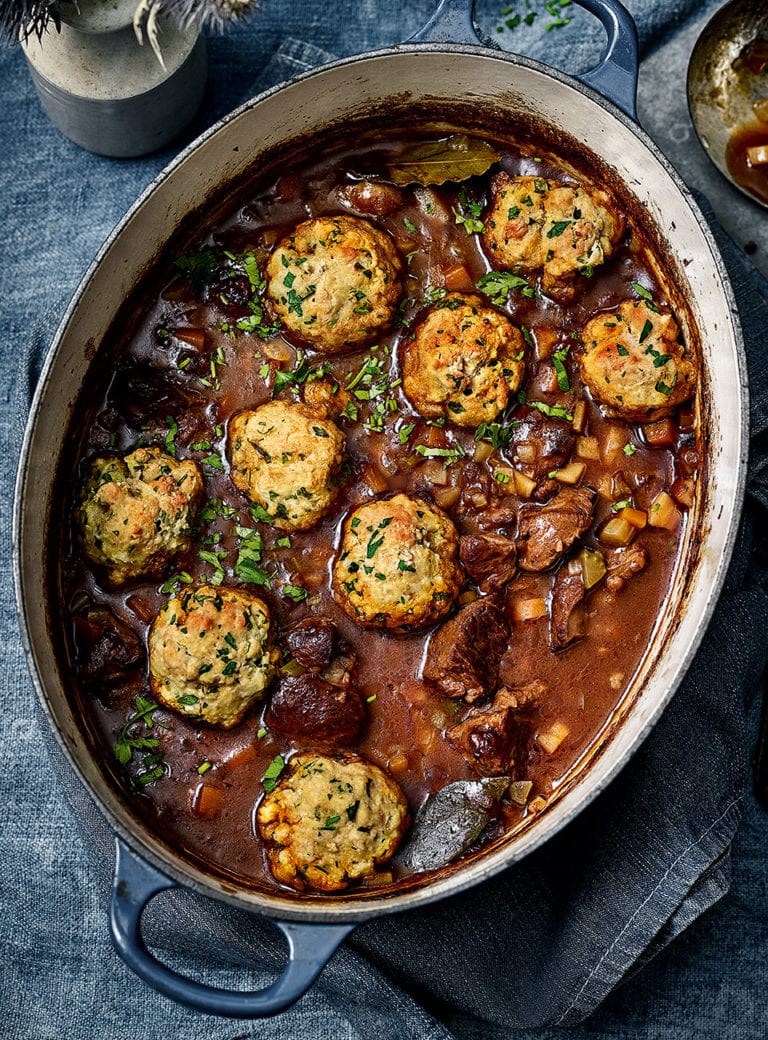
The dumplings are what make this stew different from other stews. They are soft, fluffy, and a little chewy, and they sit on top of the stew as it boils. The dumplings are light, and the stew is thick and meaty. This makes for a full meal.
The dumplings in lamb stew and dumplings are not supposed to take over the stew; they are designed to go with it. They have a moderate flavor that lets the lamb and broth show through and adds a warm, bread-like quality. When made correctly, dumplings soak up exactly the right amount of steam from the stew to stay soft without being mushy.
Ways to Cook That Make Food Taste Better
It’s not how hard it is to make lamb stew and dumplings that makes them so good; it’s how you do it. Caramelizing the lamb before boiling it helps bring out deep, delicious flavors. This step makes the meal more complicated and makes the broth taste richer.
Cooking slowly is just as crucial. Letting the stew boil slowly makes the lamb soft and lets the flavors mix together naturally. If you rush the procedure, the meat may be rough and the flavor may not be fully developed. But if you wait, the cook will get a dish that is very satisfying.
Spices and scents
Seasoning is very important for balancing the rich flavors of lamb stew and dumplings. Adding simple things like salt, pepper, garlic, and herbs can make the food better without making it too much. People often use herbs like thyme or bay leaf to give food a slight earthy flavor and smell.
This recipe tastes better when you don’t use a lot of spices. The idea is to bring out the natural flavors of the lamb and veggies so that each one stands out. Seasoning it right makes ensuring that every meal is full and comforting.
The Dish’s Cultural Importance
For a lot of households, lamb stew and dumplings are more than just food; they are a sign of family and tradition. It is commonly linked to home-cooked meals, sharing tables, and recipes that have been passed down through the years. The dish is a reminder of a period when cooking took longer and meals were meant to be enjoyed.
There are numerous versions of the cuisine in different parts of the world, each one based on the ingredients and customs of the area. Even though these things are different, the primary idea is still the same: a healthy meal that warms both body and mind.
New Ways to Look at and Change
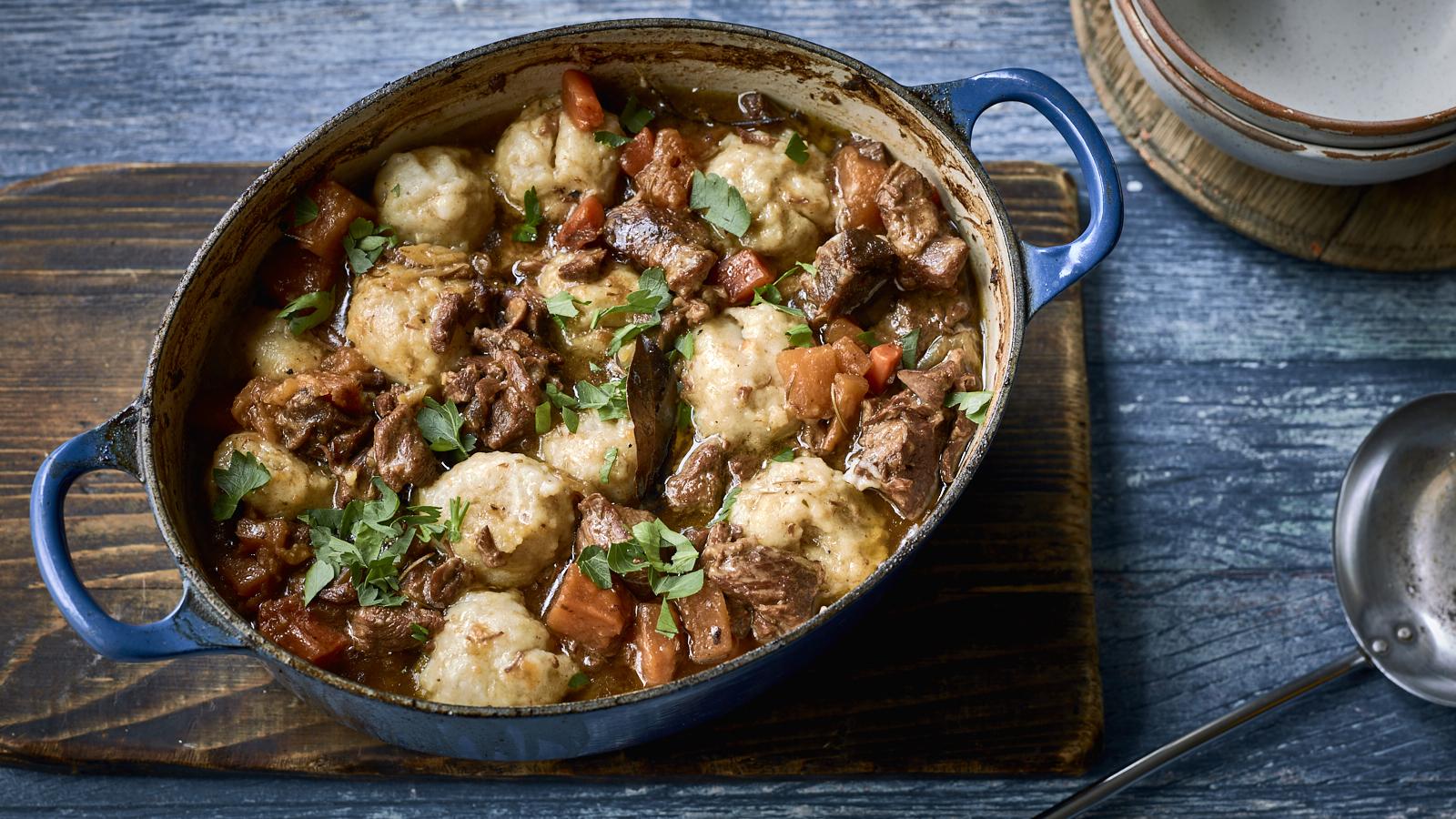
People still like old-fashioned recipes, although modern cooks often change lamb stew and dumplings to fit their tastes. Some changes you can make are adding various veggies, changing the thickness of the broth, or trying out different herbs. These changes keep the dish up to date while yet honoring its roots.
The essential parts of lamb stew and dumplings stay the same, even when they are made in new ways. The meal still focuses on long cooking, balanced flavors, and comfortable textures, which makes it appealing for all time.
Nutrition and Satisfaction
When eaten in moderation, lamb stew with dumplings are not only filling but also good for you. Lamb is a good source of protein and other minerals, and vegetables add fiber and vitamins. The dumplings add carbs, which makes the dish filling and gives you energy.
This meal has been popular for so long because it includes a good mix of nutrients. It provides both nourishment and comfort, making it perfect for filling meals that make people happy.
Why This Dish Lasts
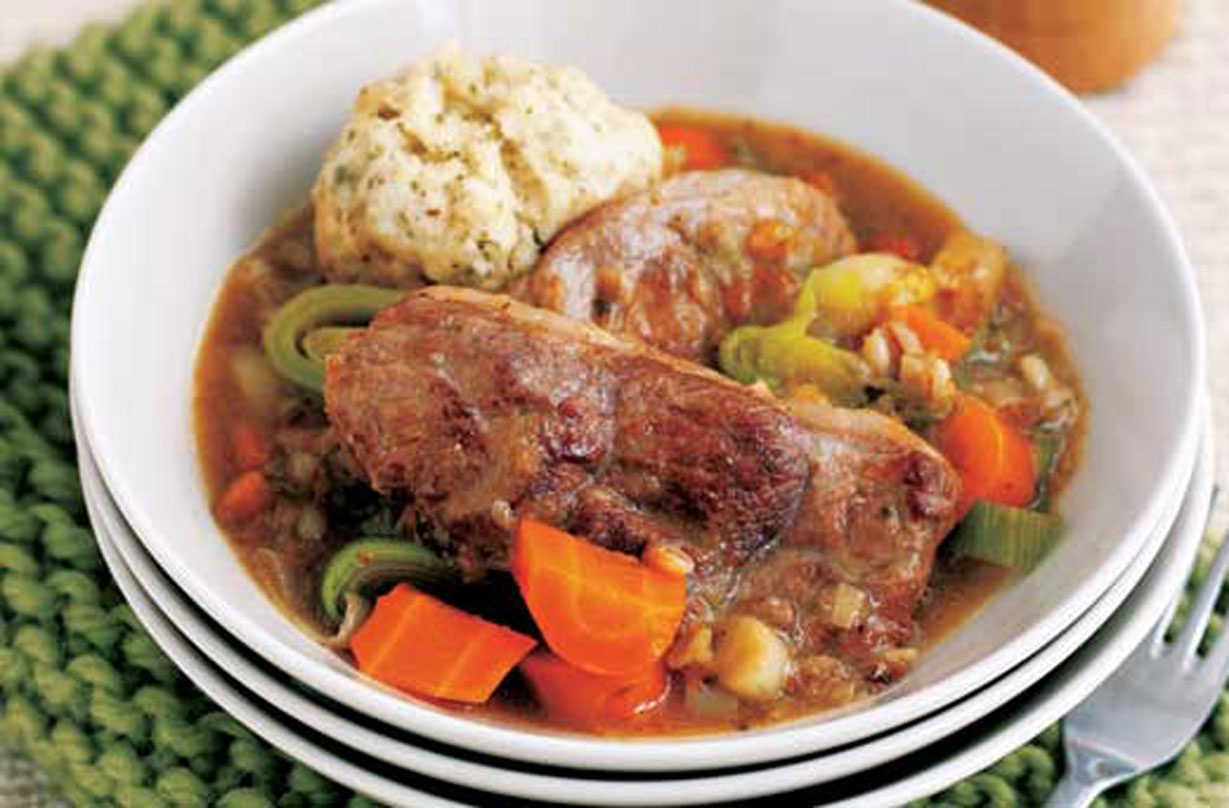
Lamb stew and dumplings are still popular because they are easy to make and can be used in many ways. It doesn’t need hard-to-find ingredients or hard-to-follow steps, but it still tastes great and fills you up. The dish can be made in a variety of kitchens and with diverse tastes, yet it still tastes like home.
This classic recipe is a good reminder of how important it is to cook slowly and with thought in a world of fast food and quick meals. It teaches people to be patient, careful, and thankful for old-fashioned tastes.
Conclusion on Dumplings and Lamb Stew
Lamb stew and dumplings show how powerful simple foods can be when they are made with care. The cuisine has brought people together for a long time, and it still does so now with its warmth and flavor. Lamb stew and dumplings are always a comfortable meal, whether you’ve had them before or are trying them for the first time.
The rich broth, succulent lamb, and delicate dumplings work together to provide a dish that few can rival. It is a meal that is meant to feed, comfort, and last through the years.
Read More:- Potato Leek Soup: History, Flavor, Nutrition, and Cooking Guide