


Introduction
People all around the world love Moroccan food for its strong spices, rich flavors, and slow-cooked comfort meals that show off centuries of history. Moroccan lamb is one of the most famous meals in the country and is a sign of hospitality, history, and culinary skill. This meal is more than just a means to cook meat; it’s a way of life formed by geography, trade, religion, and family traditions. Lamb has long been a particular dish in Morocco, from busy souks to quiet hamlet kitchens. It tastes best when it is cooked with care and respect for the ingredients.
Moroccan lamb is appealing because it is balanced. The meat is rich but not too much, smells good without being too strong, and is really fulfilling without being too complicated. Every part of the dish, from the spices used to the way it is cooked, is carefully chosen, making it feel both rustic and elegant. To comprehend Moroccan lamb, you need to grasp the idea of Moroccan cookery, which says that flavor isn’t the only thing that matters; time, warmth, and shared meals are also important.
Lamb’s Cultural Significance in Morocco
Because of Morocco’s terrain and pastoral traditions, lamb has been a main source of protein for hundreds of years. Morocco has a wide range of terrain, from the Atlas Mountains to semi-arid plains, that are great for sheep rearing. This makes lamb easy to find and important to the culture. In Moroccan homes, lamb is frequently only offered on special occasions, family gatherings, and religious holidays. This makes every meal made with it more meaningful.
In Moroccan tradition, cuisine and hospitality go hand in hand. It is an honor and a sign of respect to provide a guest a lamb dish. Moroccan lamb is often served at weddings, Eid al-Adha, and other big meals where extended families share big chunks of meat that have been cooked slowly. These times show how food may bring people together by making them sit down at the same table.

Where Moroccan lamb food came from
The origins of Moroccan lamb cuisine may be traced back to Berber traditions, which were then influenced by Arab, Andalusian, and Mediterranean cultures. With each wave of influence, new spices, methods, and flavor combinations were added to local food. Over the years, Moroccan cooks learned how to season lamb with spices that warm it up and add flavor without overpowering it.
Trade routes were also very important in how Moroccan lamb dishes were made. Caravans brought spices like cumin, coriander, cinnamon, and ginger from the East and Sub-Saharan Africa. These spices became an important part of Moroccan cooking, giving lamb dishes their unique flavor that is still used today. The overall effect is a food that feels both old and new, rooted in tradition yet always changing.
Spices that make Moroccan lamb special
One thing that makes Moroccan lamb stand out is how well the spices are harmonized. Moroccan spice mixes are made to bring out the inherent richness of lamb and add layers of warmth and smell. Moroccan cookery is more about depth and harmony than heat, unlike other types of cooking.
Cumin adds earthiness, coriander adds brightness, ginger adds warmth, and cinnamon adds a hint of sweetness. Saffron is occasionally used to give color and smell, and paprika adds a light smokiness. People commonly mix these spices with fresh herbs like cilantro and parsley to make them taste better and stand out. The charm of Moroccan lamb comes from how these flavors come together when they cook slowly, turning simple foods into something amazing.
How to Cook Moroccan Lamb the Old-Fashioned Way
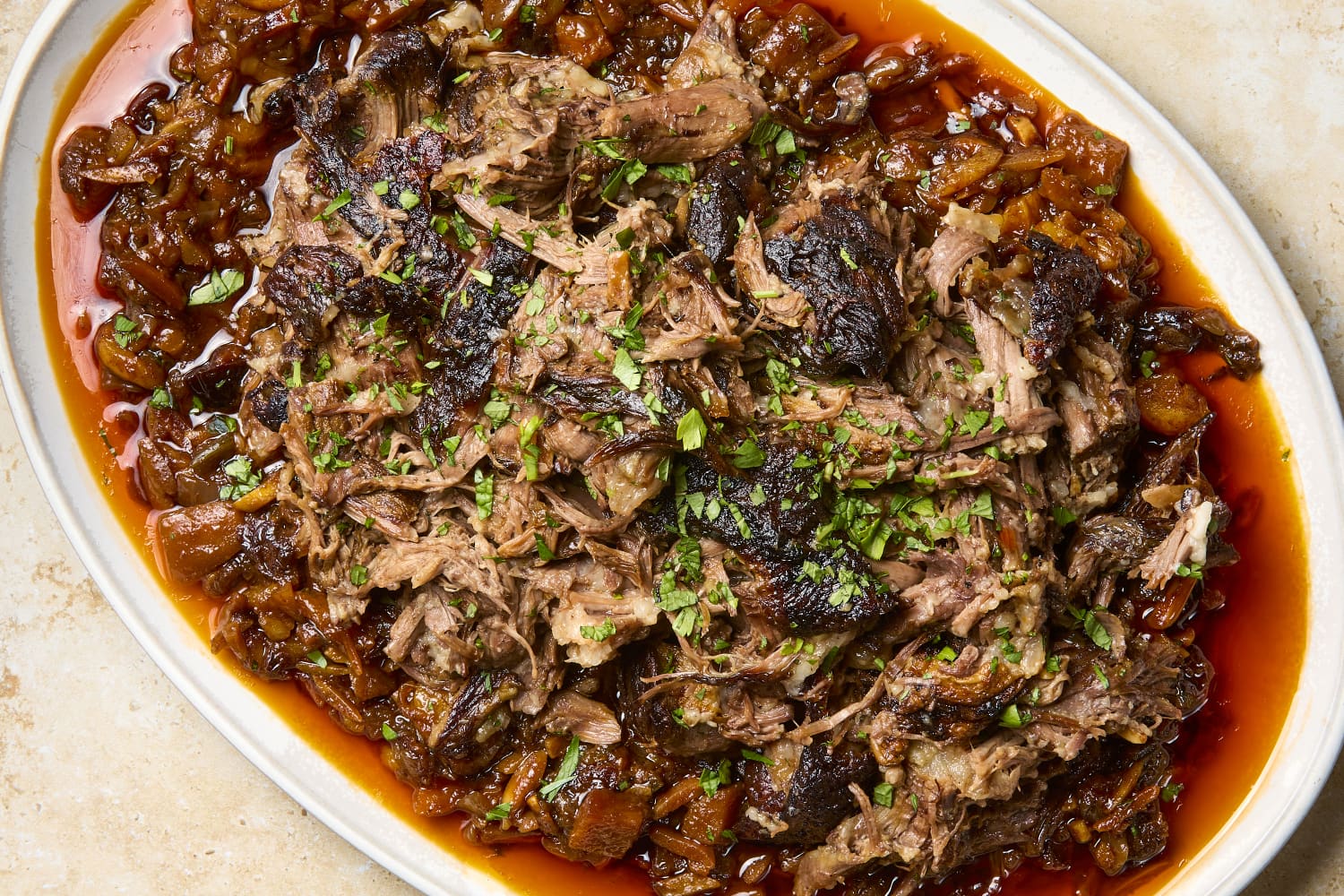
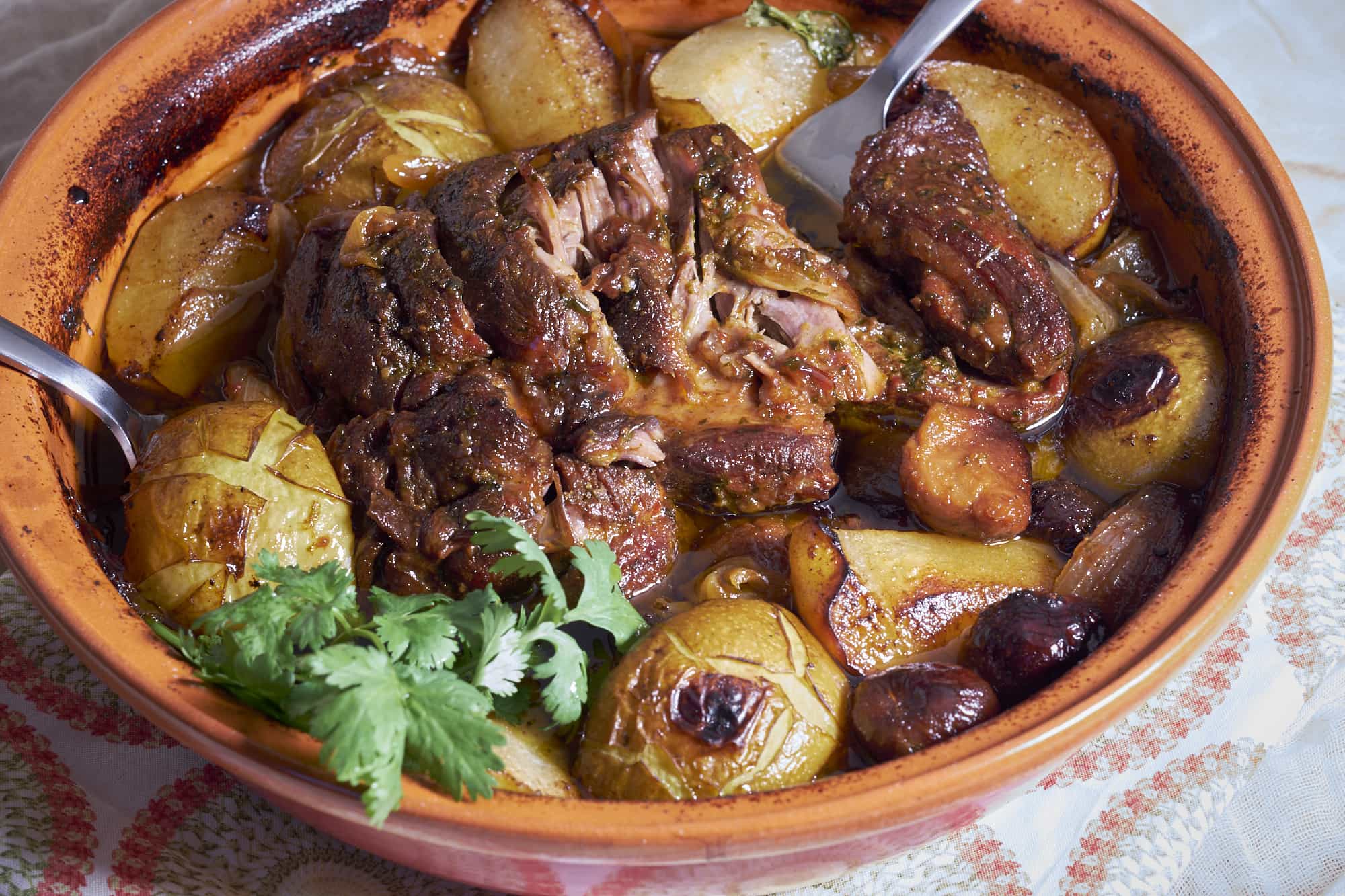
When it comes to Moroccan lamb, cooking methods are equally as crucial as spices. Slow cooking is the most important part of most traditional recipes. It makes the meat soft and lets the spices and aromatics soak in. The tagine, which is a cone-shaped clay pot, is probably the most famous instrument for this.
When you cook lamb in a tagine, you usually add vegetables, dried fruits, and a little bit of liquid. The form of the cover holds in steam, which keeps the meat moist and makes the tastes stronger. This way of cooking is based on the Moroccan idea that patience is an important part of the process. Moroccan lamb is not often rushed, whether it is cooked in a tagine or a large pot. This patience pays off with a deep taste.

Different kinds of Moroccan lamb in different areas
Each of Morocco’s several regions has its own way of making lamb meals. Coastal places may use preserved lemons or olives, whereas inland areas use dried fruits like apricots or prunes. In the Atlas Mountains, lamb is generally cooked with just herbs and a few spices, which lets the meat’s flavor show through.
Moroccan lamb dishes are usually more complex in places like Fez and Marrakesh, where they have been refined over hundreds of years by royalty and chefs. These versions may have complicated spice mixes and toppings like toasted almonds or sesame seeds. Even if there are changes in how moroccan lamb is made in different parts of the country, the basic idea is always the same: slow-cooked meat, balanced spices, and a focus on sharing.
What dried fruits and sweet notes do
The gentle use of sweetness is a particular part of many Moroccan lamb dishes. People sometimes add dried fruits like prunes, raisins, and apricots to lamb recipes to make the flavors of the dish sweet and delicious. This balance is a key part of Moroccan food and shows how Andalusian cookery has influenced it over time.
The sweetness doesn’t take over the meal; instead, it makes the lamb taste richer and the spices taste warmer. At the end of cooking, honey is occasionally poured on top to make it shine and taste better. These sweet flavors make Moroccan lamb stand out, and they will appeal to both people who are used to Moroccan food and others who are trying it for the first time.
Moroccan Lamb in Daily Life
Moroccan lamb is frequently thought of as a dish for special occasions, but it is also eaten every day, especially in rural areas where lamb is easy to find. Families can make simpler versions with fewer spices and seasonal veggies. These meals are good for you and easy to make. These ordinary meals show how versatile lamb is and how flexible Moroccan cooking can be.
Many families use leftover lamb to make new meals, which is a way to keep waste to a minimum. As time goes on, the tastes are stronger, so reheated dishes are just as good as newly made ones. This usefulness adds to the perception that Moroccan lamb is not simply a holiday food but a part of everyday life.

The Health Benefits of Moroccan Lamb
Lamb is a good source of protein, vitamins, and minerals like iron and zinc. When you cook lamb the Moroccan way, you often add veggies, herbs, and spices that are good for you without adding too much fat. Slow cooking helps keep nutrients in the meat and makes it simpler to digest.
Moroccan food usually doesn’t use heavy creams or processed foods; instead, it relies on natural tastes. So, when eaten in moderation, Moroccan lamb recipes may be both filling and good for you. This balance is one reason why they have been popular for so long.
Moroccan Lamb and Its Effect on the World
Moroccan lamb has become well-known around the world in the last several decades as Moroccan food has extended beyond its borders. Moroccan-style lamb tagines and spice-rubbed lamb meals are now on the menus of restaurants all over the world. These versions are different, but the basic parts—aromatic spices, slow cooking, and rich flavor—stay the same.
People all across the world are interested in Moroccan lamb, which shows that people are more interested in traditional, slow-cooked cuisine that are true to their roots. As more people look for meaningful meal experiences, Moroccan lamb continues to be popular because it brings comfort, warmth, and a sense of connection to an old cuisine culture.
How Moroccan Lamb is Seen Today
Modern chefs regularly change the way they cook Moroccan lamb while keeping its basic flavor. Some change the flavors to fit speedier cooking methods or add the spice profile to grilled or roasted foods. These new versions make Moroccan lamb easier to find without changing its flavor.
Home cooks also try out easier variations that use common ingredients and cookware. Even with these changes, the core of Moroccan lamb stays the same: respect for the ingredients, careful seasoning, and a love of cooking slowly and carefully.
Why Moroccan Lamb Never Goes Out of Style
Moroccan lamb is still popular because it can be both comforting and fancy. It tells a story about tradition and culture while also satisfying the need for rich, tasty cuisine. Every bite is a taste of culinary knowledge that has been passed down through the ages.
In a world where food trends come and go, Moroccan lamb is a reminder that real flavor comes from taking your time, finding the right balance, and being careful. It still brings people together, just like it has for hundreds of years, whether they are at a party or a quiet family supper.
Conclusion on Moroccan Lamb
Moroccan lamb is more than just a meal; it’s an experience that comes from history, culture, and sharing food with others. Every part of it, from the carefully chosen spices to the way it is cooked slowly, shows what Moroccan food is all about. You can really appreciate the complexity and beauty of this famous dish if you know where it came from and how it is made.
As more and more people throughout the world learn to love real foods, Moroccan lamb is a great illustration of how food can cross borders and stay loyal to its roots. It will be treasured for generations to come because of its rich flavors, cultural significance, and timeless appeal.
Read More:- Moroccan Leg of Lamb Recipe – Spiced, Slow-Roasted Perfection