


Introduction
When you see the Moroccan leg of lamb recipe, you know it’s time to celebrate, feel warm, and learn about another culture. This recipe is a great example of Moroccan food, where food is never simply food but a way to show history, hospitality, and family. It is rich in spices, gently cooked, and smells great. Lamb has been a common source of protein in North Africa for a long time. In Morocco, they turned it into an art form by carefully mixing spices, cooking it slowly, and complementing it with other foods. You can make this dish at home, and it will be quite gratifying if you take your time and understand how to do it.
Balance is very important in Moroccan cooking. Sweet and savory, spicy and fresh, and rich and herbal and citrusy are all mixed together. When making Moroccan-style leg of lamb, the idea is not to cover over the meat but to bring out its inherent flavor. The leg cut is perfect because it stays juicy and tender when cooked right and can soak up marinades while roasting for a long time. The fact that this dish isn’t rushed is what makes it work so well.
The Cultural Background of Moroccan Lamb Dishes
Knowing where the Moroccan leg of lamb recipe came from makes the dish even better. Berber, Arab, Andalusian, and Mediterranean cultures have all had an effect on Moroccan food. Each has added flavors, methods, and ways of thinking. People commonly make lamb for big events like Eid, weddings, and family get-togethers since it stands for abundance and giving.
In the past, Morocco’s busy marketplaces were full of spices like cumin, coriander, paprika, cinnamon, and saffron. These spices are very important to the country’s food culture. Moroccan spice mixes are meticulously calculated to make the food warm instead of hot, which is different from other places where spices are used in large amounts. This method keeps the lamb in the spotlight while the spices add depth and interest.
The leg of lamb itself is a symbol of eating together. In the past, many people would share this dish, and bread would be served with it to soak up the tasty juices. Slow cooking was not only a skill but also a need, as it let families get together as the food cooked.

Why the Leg of Lamb Is the Best Meat for Moroccan Food
It’s not a coincidence that the leg is used in this Moroccan leg of lamb recipe. This cut has the right amount of lean meat and fat, which is important for lengthy roasting. The bone adds flavor and helps keep moisture in, while the muscle structure lets spices and marinades soak in deeply.
The leg needs time to heal, unlike cuts that heal quickly. Slow roasting breaks down the connective fibers in a gentle way, which makes the meat soft without making it fall apart. This texture is perfect for Moroccan-style foods, which focus on richness and mouthfeel instead of just crispness.
Also, a leg of lamb is big enough to be the main meal. It looks good and has enough servings for groups, so it’s perfect for special dinners or holiday meals.
How to Understand Moroccan Spices and Marinades
The marinade is the most important part of any Moroccan leg of lamb preparation. People typically call Moroccan marinades “chermoula” since they are thick and smell great. This mix gets into the meat and gives it its taste.
Garlic gives the dish a strong flavor, olive oil carries the spices, and lemon juice adds brightness. Paprika gives warmth and color, while ground spices like cumin and coriander give food an earthy flavor. When added in little amounts, cinnamon adds a subtle sweetness that makes Moroccan food stand out without making it taste like dessert.
Fresh herbs like cilantro and parsley are very important since they make the lamb taste richer and make sure the final dish is balanced. When mixed together and rubbed into the flesh, these spices make the leg of lamb taste like it came from Morocco.
Getting the Lamb Ready for the Most Flavor
When making a Moroccan leg of lamb, preparation is equally as crucial as cooking. Before marinating the lamb, it should be brought to room temperature. This helps the spices stick better and get deeper into the meat. Making small cuts over the surface of the meat helps the marinade get deeper into it.
The length of time you marinate is important. Marinating for a few hours will add taste, but marinating overnight will give you the greatest results. The spices mix with the lamb’s natural juices during this period, providing layers of flavor that rapid seasoning can’t make.
It is important to season food with salt correctly, but you should do it with care. Salt first pulls moisture out of the meat, but as it cooks, it helps keep it in, making sure the meat stays juicy throughout the long roasting process.
How to Use the Slow-Roasting Method
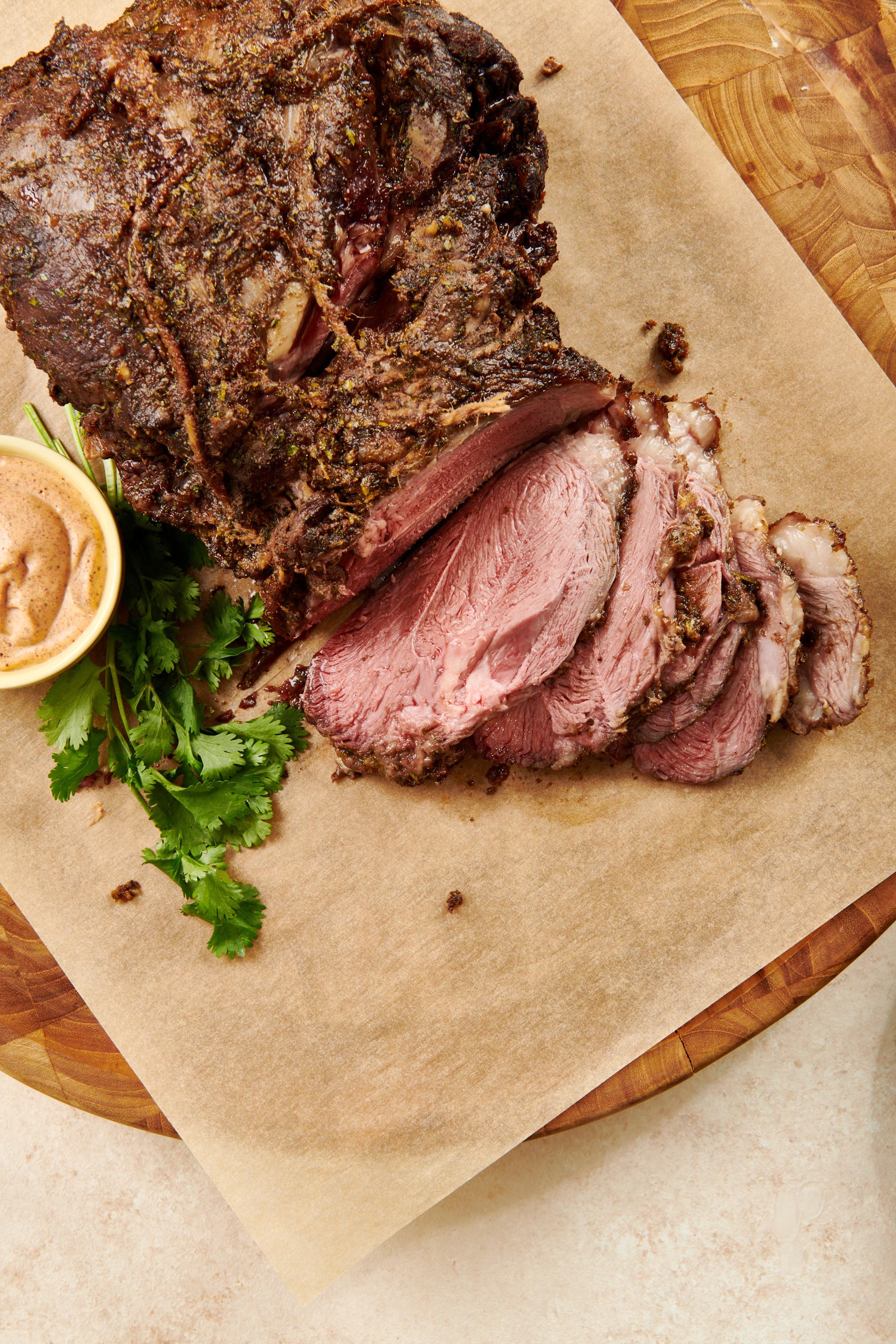
The main method of a classic Moroccan leg of lamb recipe is slow roasting. If you cook the lamb at a lower temperature for a longer time, the meat will cook evenly without drying out. This method also lets the spices toast slowly, which brings out their smells and flavors the meat.
Most of the time, the lamb is roasted without a lid at first to make a tasty crust, and then gently covered to keep it from getting too brown. Basting it with its own juices every so often keeps the surface wet and adds flavor. The flesh has a strong flavor on the outside and is quite soft on the interior.
The internal temperature is a good guide. Moroccan cooks frequently like their meat to be medium to medium-well done because it makes the fat fully render while keeping the meat juicy.
Aromatics and vegetables in Moroccan roasting
A recipe for Moroccan leg of lamb generally calls for herbs and vegetables to be put in the roasting pan. Carrots, onions, and sometimes potatoes soak up the lamb’s juices and add their own sweetness. These vegetables are more than just side dishes; they are an important part of the meal.
The vegetables get softer and caramelize while the lamb cooks, making a natural sauce with spices and meat drippings. When serving, you can spoon this mixture over the sliced lamb to make sure that every bite has the flavor of the dish.
Some changes include adding dried fruits like apricots or prunes at the end of cooking. These flavors show how much Moroccans adore sweet and salty together without making the dish too much.
Letting the Lamb Rest and Adding the Last Flavors
Resting is an important part of making a Moroccan leg of lamb recipe that many people forget to do. After taking the lamb out of the oven, it should sit for at least twenty minutes. This lets the liquids spread out through the meat, which keeps it from drying out when you cut it.
The smell gets stronger and the flavors settle down throughout this period. Cutting too soon would let valuable juices out, which would make the food less tasty and less textured. Resting makes a mediocre roast into an amazing one.
You can also change the sauce, skim off extra fat, or slightly reduce the pan juices during the resting time to make the dish taste better.

Serving Styles from the Past and Present
Moroccan leg of lamb is usually served family-style, with the leg in the middle of the table. It comes with warm bread, like khobz, which you use to pick up the meat and sauce. Freshness comes from salads made with tomatoes, cucumbers, or roasted vegetables, which go well with the thick lamb.
In modern presentations, the lamb can be cut into tidy pieces and served with couscous or rice. Couscous is a great choice since it soaks up the spiced liquids well and provides a neutral base.
Adding fresh herbs, toasted almonds, or a drizzle of olive oil on top gives the dish a nice look and a final layer of taste without breaking with tradition.
Things You Shouldn’t Do
Even if you have a good Moroccan leg of lamb recipe, you can still make mistakes that ruin the dish. One of the most common mistakes is cooking at too high a temperature, which makes the meat tough and cooks it unevenly. You need to be patient.
Another problem is not seasoning enough. When cooking Moroccan food, it’s important to season it well, especially when using a big piece of meat. If you’re too afraid to use spices, your food may not taste like it comes from a certain culture.
The dish won’t taste as well if you skip the resting phase or hurry the marination procedure. There is a rationale for each stage, and following the process will lead to success.
A nutritional point of view and balance
Lamb is a protein that is high in iron, zinc, and B vitamins. When you make Moroccan leg of lamb, you usually serve it with veggies, herbs, and whole grains to make a complete dinner.
Using olive oil instead of butter is in line with Mediterranean eating habits, and spices enhance taste without adding too much sodium. Portion control and careful side dishes keep the dinner rich but healthy.
Why This Dish Keeps Coming Back
The Moroccan leg of lamb recipe is still popular because it brings people together. This is not a meal that should be consumed quickly or by itself. Making it makes you more aware, and serving it makes you want to share.
The dish works well in kitchens and cultures all around the world without losing its flavor. Its soul stays the same whether it’s prepared in a traditional oven or slightly changed for contemporary equipment.
Conclusion on How to Cook Moroccan Leg of Lamb
It’s not only about following the steps to make a Moroccan leg of lamb. It’s about accepting time, appreciating ingredients, and knowing what makes Moroccan food unique. When made with care, this dish is a memorable experience that pleases both the taste buds and the soul.
This recipe is a symbol of comfort, festivity, and culinary tradition from the first whiff of spices to the last soft slice. Once you make it right, it typically becomes a hallmark dish that people ask for again and again for special occasions.
Anyone can make this famous dish at home and taste the rich flavors that have made Moroccan food famous for generations by following the rules of tradition and using good technique.
Read More:- Minced Lamb Recipes: A Complete Guide to Flavorful Cooking